A Goal Without a Plan Is Just Wishful Thinking: Our Vision Weekend Process
People often see the results before they see what it took to get there. They don’t see the years we’ve spent stepping away for a few days to reflect, pray, dream, and plan together. We don’t do it perfectly. And it doesn’t look the same every year. But we keep showing up. Over time, those seeds we’ve planted have started bearing fruit.
The fruit we’re experiencing is not just an increase in our household income or side business revenue, but also the greater unity and compassion we’re noticing in our marriage and family. It didn’t come from grinding harder or reacting faster. It came from clarity, and clarity came from planning ahead.
Vision weekends have become one of the most important rhythms in our marriage. They have helped us move from reacting to life to intentionally building it. And the truth is, this practice did not appear fully formed. It has evolved year by year.
Every time we share about our vision weekend, someone asks, “How do you actually do it?”
So this year, we decided to share more of the process.
One. Change of environment.
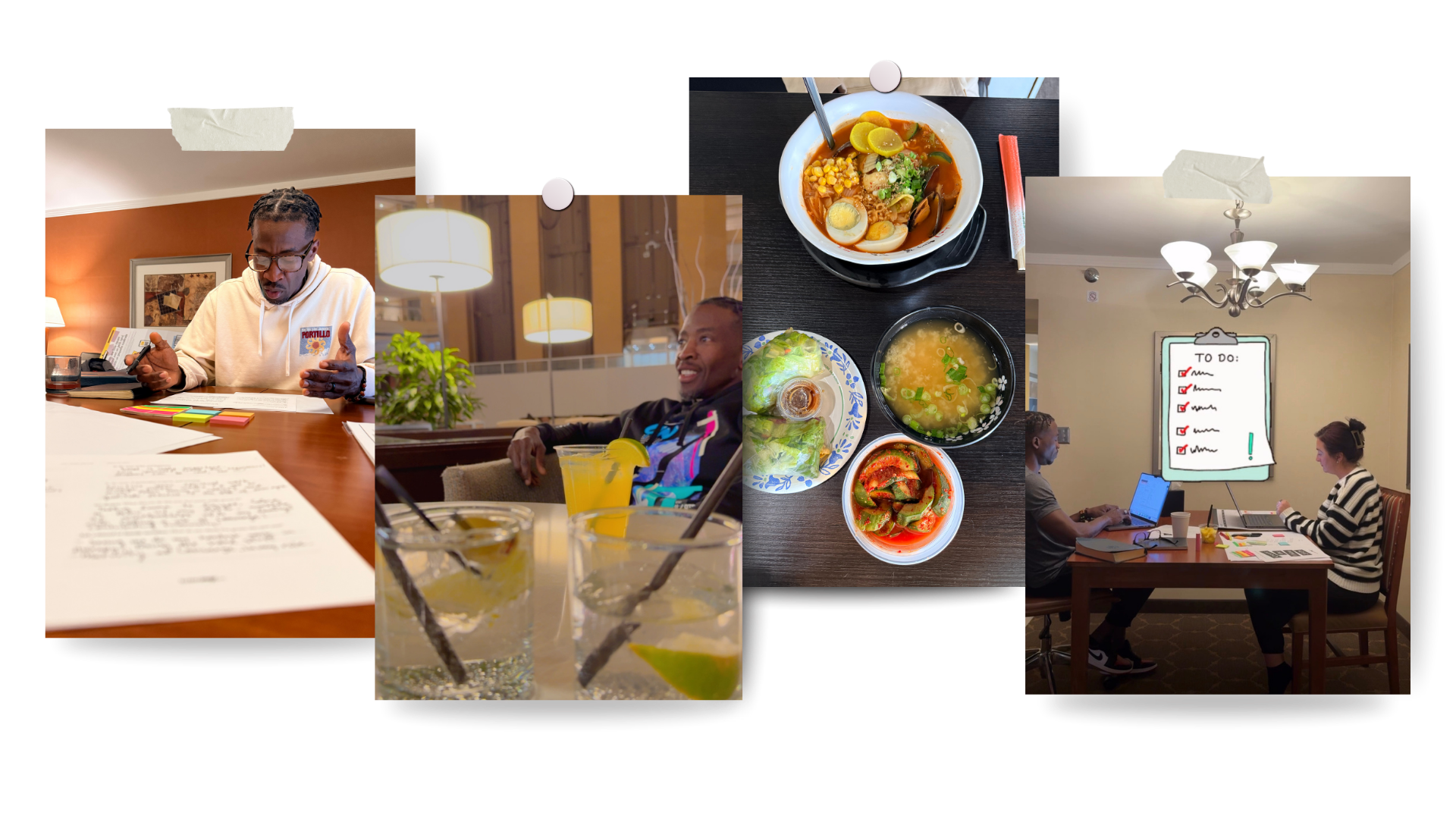
For us, the first step is leaving our house. Getting out of our normal environment helps us avoid distractions and sparks creativity. This year, we booked a hotel suite for two days. Last year we drove to Wyoming and spent five days in an Airbnb. The key is to change things up.
Two. Set intention by praying and reflecting.
Before we touched a calendar or a spreadsheet, we prayed.
We prayed for our kids, our community, and our country. We prayed over our marriage and over our planning time itself. We prayed for wisdom, clarity, and alignment.
Then we reflected.
We looked back over the past year and asked what we had learned in each of the following five areas: health, finances, relationships, personal fun/self-care, and our spiritual walk.
Reflection gives context. It helps us understand not just what worked or didn’t work, but why—and what needs to change moving forward.
Three. Practical planning and goal setting.
We always start with finances: current income, existing businesses, and realistic ways to increase income. We talk through savings goals, home projects, and the big milestones on our calendar—like our oldest son’s high school graduation this year.
With five kids, the school calendar matters. We map out school breaks, events, therapy schedules, and commitments so we are not constantly surprised by life.
Our goals are practical and realistic, but we also push ourselves where growth is needed. We wrote down how many books we’d like to read and what trips we’re planning to take.
Four. Syncing our calendars.
Once everything is written out on poster boards, we spend an hour or two transferring it all into both a large physical calendar and digital calendars. This step alone saves us countless misunderstandings and unnecessary stress throughout the year.
We love doing this together because it brings clarity, and clarity strengthens our relationship. We also make the process fun. We pace our schedule and take breaks for a long slow walk, watch a good show, eat good food, and other ‘activities’ that grown folks enjoy.
Time and time again, we look back and are amazed at how many goals were accomplished simply because we took the time to plan intentionally.
You don't have to do this at the beginning of the year.
You can do it at any point. The business mastermind Meg is part of works on their annual plan in September. We do ours as a couple at the start of the new year. The timing matters far less than the commitment to have a plan.
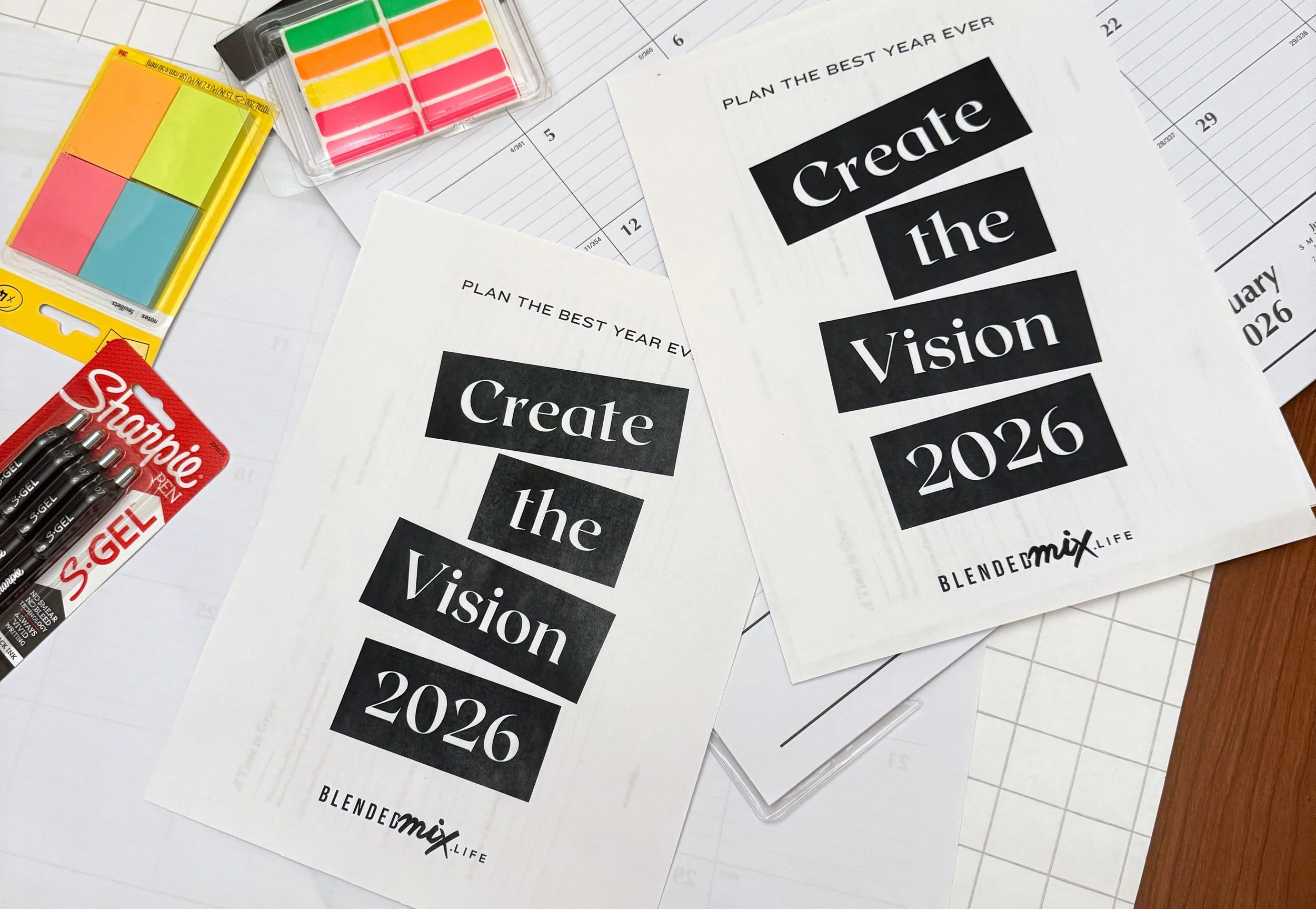
Over the years, our vision days have looked different every time. We've done colorful vision boards, financial planning weekends, prayer challenges, and long-range legacy mapping. One year, we did a seven-day prayer challenge by author and pastor Concetta Green. Now we use a combination of Mel Robbins' "Best Year Ever" printout and a 20/10/5-year planning guide Meg got from her mastermind.
The method changes. The core doesn't. A goal without a plan is just wishful thinking. We've learned that clarity beats chaos every single time. This isn't about perfection. It's about direction. When there's no vision, people drift. Life grows something either way—fruit or weeds. Vision planning determines which one takes over.
This practice is not about comparison. There's no "should." It's about alignment, becoming more of who you were created to be, not building someone else's version of success.
Whether you do this today, three months from now, or six months from now, our hope is that you give yourself permission to pause, reflect, and plan with intention.
The best really is yet to come.